 NutriMen
Welcome to NutriMen
Your educational resource for understanding lifestyle and nutritional practices for contemporary men. Explore information about vitamins, minerals, and daily habits that support overall wellness.
Educational content only. No promises of outcomes.
Learn more
Introduction to Lifestyle Habits
Daily habits play a fundamental role in overall wellness. Contemporary men face unique nutritional considerations related to their active lifestyles, work demands, and metabolic needs. Understanding how different nutrients interact with the body provides valuable context for making informed dietary choices.
This educational resource explores various aspects of male nutrition, from essential vitamins and minerals to practical meal planning strategies. The information presented here is designed to explain concepts rather than prescribe specific actions.
Key Vitamins and Minerals
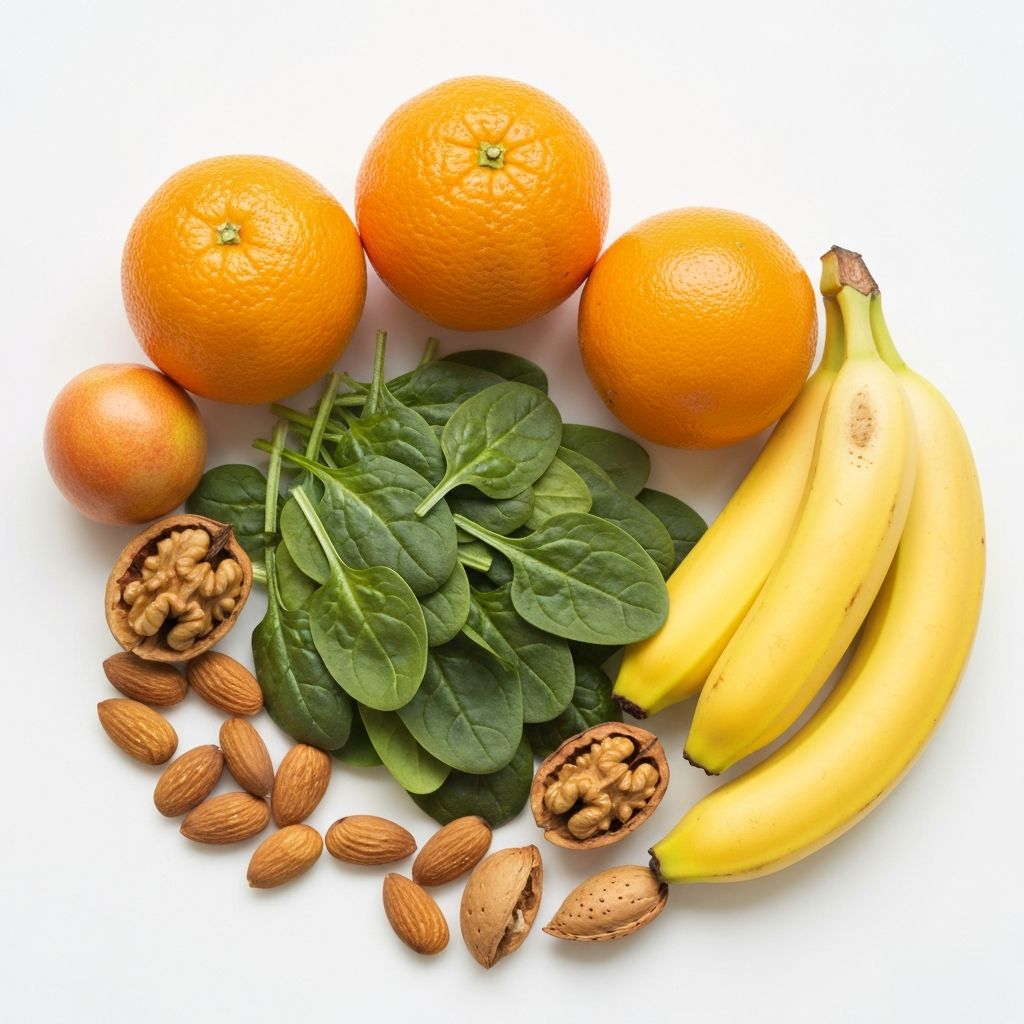
Vitamins and minerals serve numerous functions in the human body. Vitamin C supports immune function and acts as an antioxidant. Vitamin D plays a role in bone health and calcium absorption. B vitamins participate in energy metabolism.
Minerals such as magnesium contribute to muscle function and nerve transmission. Zinc is involved in immune response and cellular processes. Omega-3 fatty acids are structural components of cell membranes and have been studied for their role in cardiovascular health.
These nutrients can be obtained from varied dietary sources including fruits, vegetables, whole grains, nuts, seeds, and fish. Understanding their roles helps contextualize nutritional information.
Daily Nutritional Tips
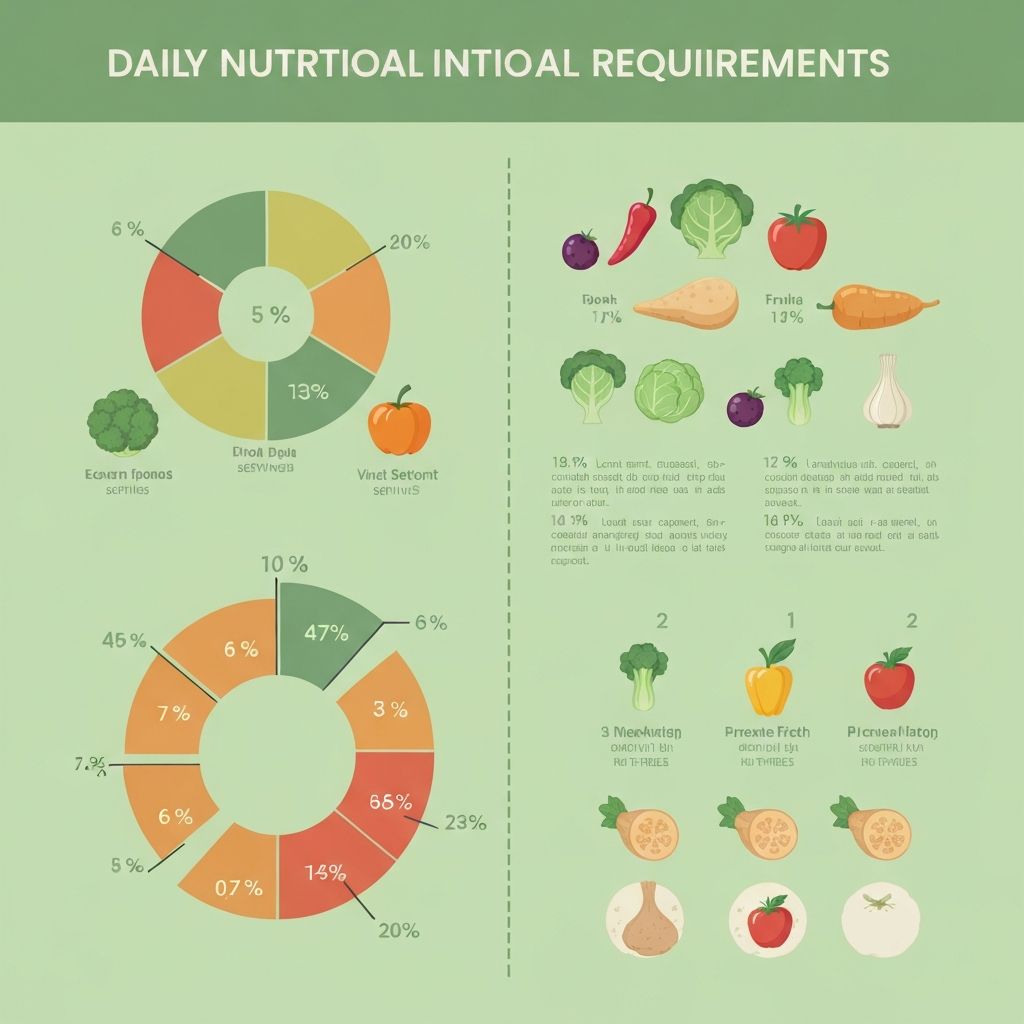
Nutritional science provides general frameworks for daily intake recommendations. These frameworks vary by age, activity level, and individual factors. The concept of Recommended Daily Allowances (RDAs) represents average daily intake levels sufficient for most healthy individuals.
Different life stages and activity patterns may influence nutritional requirements. Active individuals may have different needs compared to sedentary populations. Geographic location can affect vitamin D synthesis through sun exposure.
Educational resources like this website aim to present general information rather than personalized recommendations. Individual circumstances vary widely, and general information should be considered as educational context only.
Balanced Meal Integration
Meal composition involves combining different food groups to create nutritionally diverse eating patterns. Whole foods provide complex matrices of nutrients that work synergistically. A plate that includes vegetables, proteins, whole grains, and healthy fats represents one approach to balanced eating.
Food preparation methods can influence nutrient retention. Raw vegetables preserve certain vitamins, while cooking can enhance the bioavailability of others. Variety in food choices helps ensure exposure to different nutrient profiles.
Cultural and regional dietary patterns demonstrate that balanced nutrition can be achieved through diverse approaches. Mediterranean, Nordic, and Asian dietary patterns each emphasize different foods while achieving nutritional adequacy through varied means.
Seasonal Recommendations
Seasonal eating patterns align food consumption with natural growing cycles. Spring brings leafy greens and early vegetables. Summer offers abundant fruits and vegetables. Autumn provides root vegetables and squashes. Winter features storage crops and preserved foods.
Seasonal foods are often fresher and more nutrient-dense when consumed near their harvest time. This approach also introduces dietary variety throughout the year, exposing the body to different nutrient profiles across seasons.
Local and seasonal eating patterns have been practiced across cultures for millennia. Modern food systems provide year-round access to diverse foods, though seasonal awareness can still inform dietary choices.

Energy-Supporting Habits
Daily energy levels fluctuate based on multiple factors including sleep quality, physical activity, meal timing, and stress levels. Morning routines that include movement can help establish circadian rhythm patterns. Physical activity influences metabolic processes and energy expenditure.
Hydration status affects cognitive and physical performance. Water participates in virtually all bodily functions. Adequate fluid intake throughout the day supports normal physiological processes.
Sleep quality and duration influence hormonal regulation, including hormones involved in appetite and metabolism. Consistent sleep schedules support natural circadian rhythms. These lifestyle factors interact with nutritional status in complex ways.

Scientific Insights
Nutritional science continues to evolve as research methodologies advance. Observational studies identify associations between dietary patterns and health outcomes. Randomized controlled trials examine specific interventions under controlled conditions. Both study types contribute to our understanding while having distinct limitations.
Bioavailability refers to the proportion of a nutrient that is absorbed and utilized by the body. Factors affecting bioavailability include food matrix, preparation methods, and individual digestive capacity. For example, iron from plant sources (non-heme iron) is absorbed differently than iron from animal sources (heme iron).
Nutrient interactions can be synergistic or antagonistic. Vitamin C enhances iron absorption, while calcium can inhibit it. These interactions highlight the complexity of nutrition and why whole-food approaches are often emphasized in nutritional guidance.
Scientific consensus emerges gradually through accumulation of evidence. Individual studies provide pieces of information, but patterns across multiple studies inform recommendations. This is why educational resources emphasize general principles rather than specific prescriptions.
Practical Meal Planning
Meal planning involves organizing food preparation in advance to support nutritional goals and lifestyle needs. Planning can reduce food waste, save time, and help ensure dietary variety. Different approaches work for different individuals based on schedule, preferences, and cooking skills.
Batch cooking involves preparing larger quantities of food for multiple meals. This approach can be time-efficient for busy schedules. Meal components can be mixed and matched throughout the week to create variety from base ingredients.
Practical considerations include food storage, preparation time, and ingredient availability. Simple cooking techniques and versatile ingredients can make meal planning more sustainable as a long-term practice. The goal is to create patterns that fit individual circumstances.

Learning Resources & Conclusion
This educational resource presents general information about nutritional concepts, vitamins, minerals, and lifestyle habits relevant to contemporary men. The information is intended to explain and contextualize rather than to advise or prescribe specific actions.
Nutritional needs vary significantly among individuals based on age, activity level, health status, and many other factors. General information should be understood as educational context, not as personalized guidance.
We encourage continued learning through reputable scientific sources, peer-reviewed research, and consultation with qualified professionals for individual circumstances. This website serves as an informational starting point for understanding nutritional concepts.
Read further
Limitations and Context
The information on this website is educational in nature and presents general concepts about nutrition and lifestyle. It does not constitute individual advice or recommendations.
Nutritional approaches vary widely among different populations and individuals. What works in one context may not be appropriate in another.
This resource does not replace consultation with qualified professionals regarding individual circumstances, health conditions, or specific concerns.
Scientific understanding of nutrition continues to evolve. Information presented here reflects current general understanding but may be updated as new research emerges.